Some people leave Paris wondering what all the fuss was about. Others spend one weekend there and immediately start planning their return.
So why does Paris inspire such devotion?
I lived in Paris for three years, long enough to fall out of love with it and back in again. That gap between expectation and reality is where the real answer hides.
This isn’t a list of monuments. It’s an attempt to explain why people fall in love with Paris, why others feel let down, and what makes Paris special once the postcard fades.
If you’ve ever wondered why Paris is so popular or why Paris is romantic in ways other beautiful cities aren’t, I’ll try to give you the honest version; the one you only understand after living inside it.
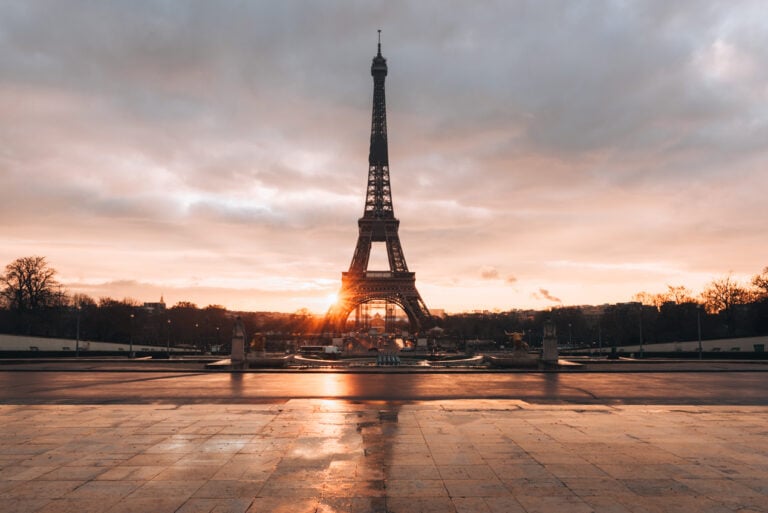
Why Is Paris So Famous in the First Place?
Fame usually comes from one big thing. A single landmark, a defining moment, a signature industry.
Paris is different because its reputation was built over centuries.
Art, literature, fashion, food, philosophy, revolution; Paris shaped all of them, sometimes at the same time. Hemingway wrote here. The Impressionists reinvented painting here. Couture became an art form here.
When people ask why is Paris famous, the truth is that no single answer covers it. The city earned its reputation by being excellent at too many things to summarize.
So by the time you arrive, you’re not visiting a place. You’re visiting an idea that took hundreds of years to build.
What Makes Parisian Cafés Feel Different?
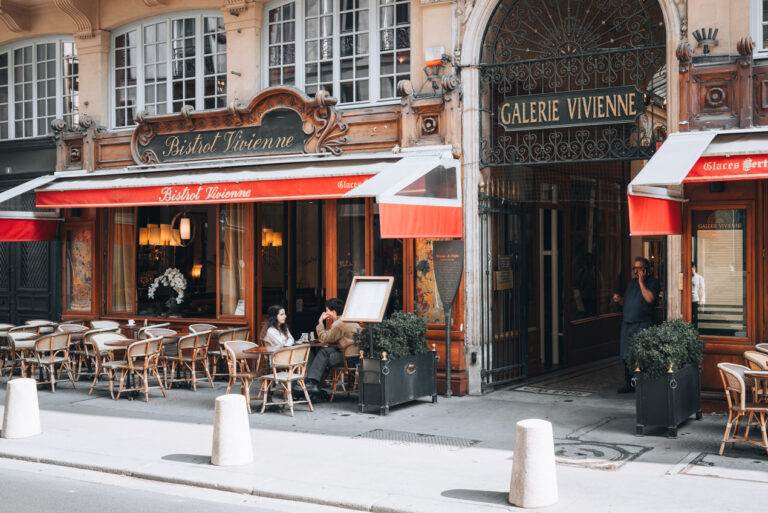
Every city has cafés. So why do Parisian ones feel like something else entirely?
The difference isn’t the coffee. It’s the permission to linger. In most cities, a café is a transaction; order, drink, leave.
In Paris, the café is an extension of your living room. Nobody rushes you. A single espresso buys you an hour, sometimes an afternoon.
Here’s what actually makes them distinct:
- Chairs face outward. You’re positioned to watch the street, not the wall. The city becomes your entertainment.
- Sitting alone is normal. You can read, think, or people-watch without anyone assuming something’s wrong.
- Time slows on purpose. Slowness isn’t a flaw in the service. It’s the point.
This matters because the café culture here is rare, and once you’ve had it, it’s hard to go back to an ordinary café.
Why Does Parisian Architecture Create Such a Strong Emotional Response?
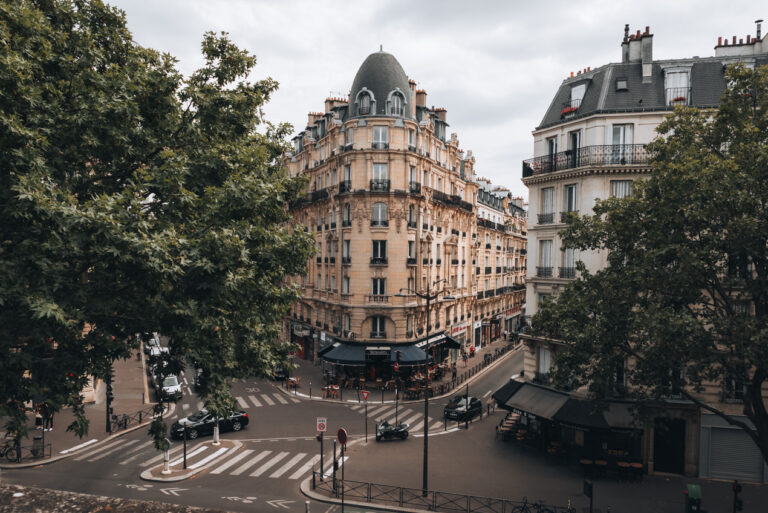
Plenty of cities have gorgeous buildings. But Paris produces a specific emotional reaction, and it took me a while to understand why.
The secret is consistency. Thanks to Haussmann’s 19th-century redesign, whole neighborhoods share the same cream stone, the same iron balconies, the same roof height.
Your eye never gets jolted. The city reads like one continuous sentence rather than a pile of unrelated words.
That harmony does something quiet to your nervous system. You feel held. Walking through Paris, you’re not scanning for the next attraction; you’re moving through a mood.
This is a big part of why tourists love Paris even when they can’t name the reason. The beauty isn’t in any one building. It’s in the agreement between all of them.
Why Do People Keep Coming Back to Paris?
Some cities are perfect for one great visit. Paris invites return trips, and the reason is structural.
You can never finish it. Each neighborhood, whether it be the Marais, Montmartre, or Saint-Germain, feels like its own small town with its own rhythm.
On your first visit, you see the headlines. On your fifth, you find the side streets. The city rewards familiarity in a way that first-timers rarely sense.
There’s also the emotional pull. People fall in love with Paris in seasons; spring blossoms, warm summer afternoons, quiet grey winters that feel straight out of a film. Each version feels like a different city wearing the same face.
The Psychology Behind Romanticizing Paris
Here’s where things get interesting. A lot of what people feel about Paris happens before they arrive.
We absorb Paris through films, novels, and photographs long before we book a flight. By the time we land, we’re not seeing the city clearly; we’re checking it against a fantasy.
That’s why Paris is romantic to so many people who’ve never been there. The romance is partly ours, projected onto the streets.
This projection is powerful and mostly wonderful. It’s why a walk along the Seine can feel meaningful rather than ordinary. But it also sets a trap, which brings me to the part most articles skip.
What Is Paris Syndrome?
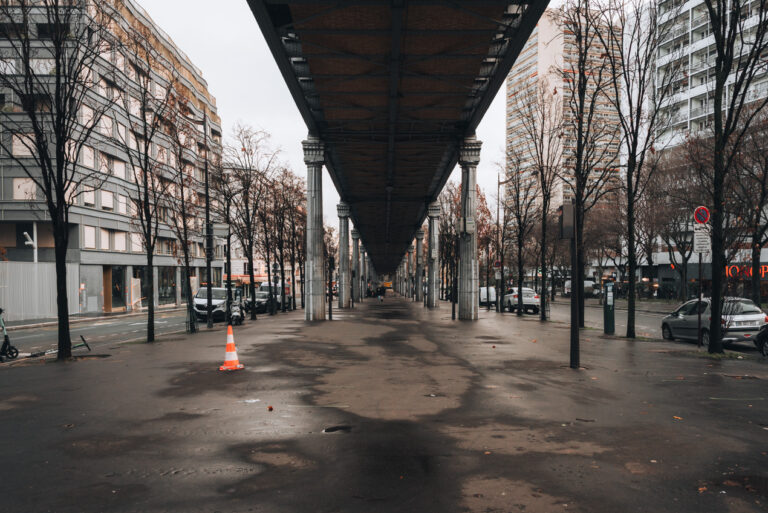
Paris Syndrome is a real, documented phenomenon where a wave of disappointment, even physical distress, overcomes a visitor.
Or more simply put, it’s when the actual city collides with the idealized one.
The cause isn’t that Paris is bad. It’s that no place can survive decades of fantasy intact.
Real Paris has traffic, litter, crowded metros, and indifferent strangers. When your expectations are set to “perfect,” even a beautiful city can feel like a betrayal.
Understanding this early is important. Arrive expecting a city, not a movie set, and you’ll enjoy it more.
Why Paris Isn’t for Everyone
Some people genuinely don’t like Paris, and their reasons are fair:
- It can feel unwelcoming at first. Parisians value privacy and formality. That reserve reads as coldness if you don’t know the codes.
- It’s crowded and expensive. Central Paris in summer is a crush of people and prices.
- The fantasy sets you up to fall. The bigger the expectation, the harder the letdown.
Is Paris overrated? For the weekend visitor sprinting between landmarks, sometimes yes. The city doesn’t perform on demand. It reveals itself slowly, and slowness doesn’t fit a two-day itinerary.
The people who adore Paris usually aren’t the ones who saw the most. They’re the ones who slowed down enough to be let in.
Why Locals and Tourists Experience Paris So Differently
The Paris a visitor sees and the Paris a resident lives in barely overlap. That gap explains most of the disagreement about the city.
Tourists experience the highlight reel: the Eiffel Tower, the Louvre, and the queues.
Residents experience the boulangerie that knows their order, the market on Sunday morning, and the neighbor’s nod that took a year to earn. One version is a spectacle. The other is a rhythm.
This is why so many people who “didn’t get” Paris on a short trip completely change their minds after living there.
So What Actually Makes Paris Special?
After the fame, the cafés, the stone, the fantasy, and the flaws, what’s left?
For me, Paris is a city built for people who look closely, walk slowly, and let a place seep in rather than demanding it entertain them.
That’s why Paris is so popular with writers, artists, and anyone who values everyday beauty over big attractions.
The appeal was never really about the landmarks. It’s about how the city teaches you to notice the small things, like the smell of a boulangerie at 7:00 am.
That’s what makes Paris special. That’s why people fall in love with it and never fully recover.
Ready to See the Real Paris?
Paris isn’t a fantasy or a disappointment.
It’s a living city that opens up to people who arrive curious instead of expectant. Understand that, and you’re already ahead of most visitors.
If you want to experience the version, I recommend booking a one-on-one consultation call with me.
It’s the best next step for turning a good trip into the kind you spend years trying to return to.
Read More Articles about France
I hope you enjoyed my post and found it helpful. Here are some other articles from France that I think you might like.
- Is France Worth Visiting? 19 Reasons Why You Should!
- 13 Most Underrated Cities in France to Visit
- A Local’s Guide to Getting Around France without a Car
- 19 Useful Apps and Websites for Traveling in France
- Do French People Like Americans? A Surprising Answer!
