When people think of Strasbourg, they often picture charming canals and the stunning Notre Dame Cathedral.
While those are definitely highlights, there’s another side to the city that I’ve grown to love since moving here in 2019: its museums.
My favorites are the Zoological Museum, the Alsatian Museum, the Museum of Decorative Arts, the Musée de l’Oeuvre Notre-Dame, and the rare collections at the Bibliothèque Nationale et Universitaire de Strasbourg.
In this guide, I’ll share with you the best museums in Strasbourg and the must-visit exhibits at each one.

#1 Travel Guide
Planning a trip to Strasbourg?
I’ve been living in Strasbourg since 2019, and I’ve poured my love of this city into this 70-page e-book.
It’s full of things to do, insider tips, itineraries, and much more.
1. Zoological Museum
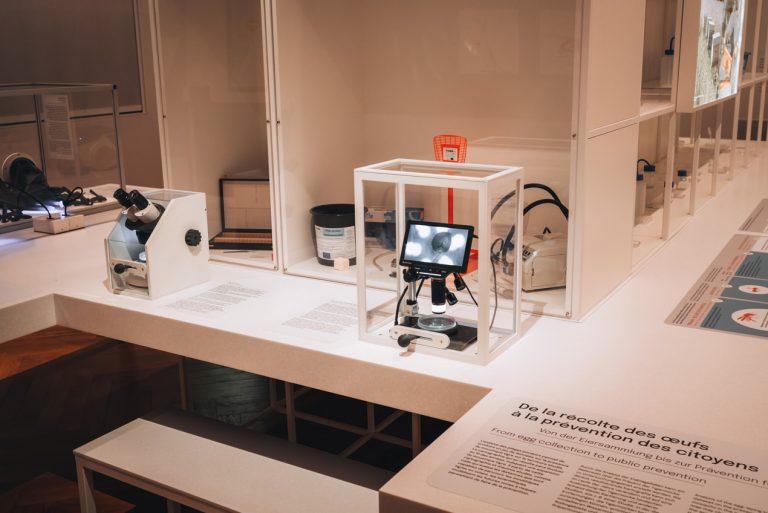
When I first moved to Strasbourg, the Zoological Museum was closed for renovations.
I am a huge science nerd, so I waited somewhat impatiently for it to open, and in September 2025, it finally did.
And I have to say, the renovated version is incredible.
They have exhibits about ecology, biology, evolution, and much more.
There are mock laboratories where you can look into microscopes and learn how scientists study different creatures, like bees.
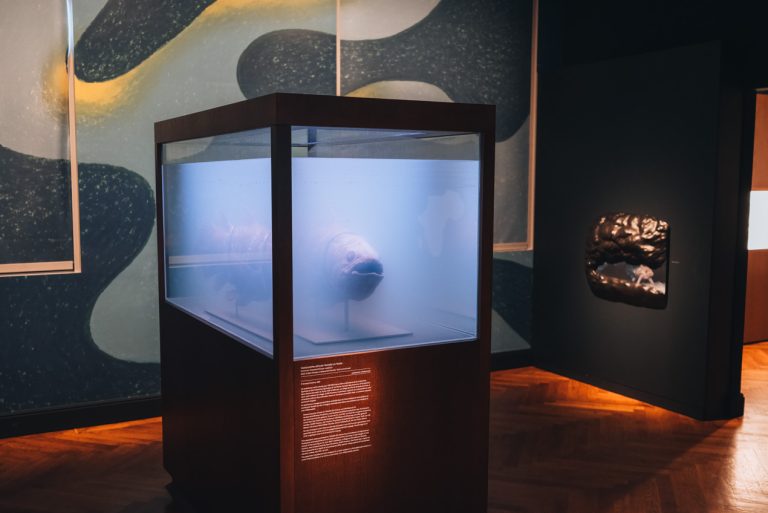
They also have some really cool oceanography exhibits, especially the one about the coelacanth fish (picture above).
If you’re looking for a fun museum for kids, something to do when it’s raining, or love science (like me), I would make this one your first visit.
2. Musée de l’Oeuvre Notre-Dame
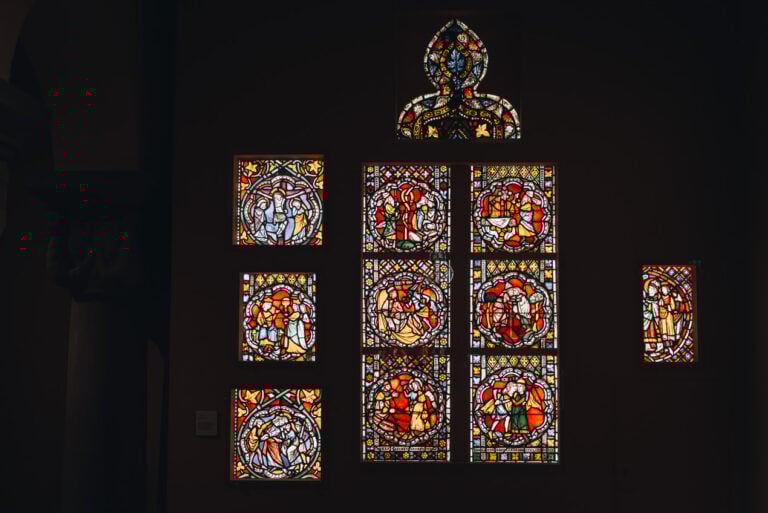
The Musée de l’Oeuvre Notre-Dame is next on my list because, again, it has some very interesting exhibits.
It’s known for its collection from the Upper Rhine Region, which dates from the early Middle Ages to the late 17th century.
The most famous exhibit is the stained-glass windows that date to the 12th century.
The museum also has a medieval garden that has a somewhat eerie feeling, in my opinion.
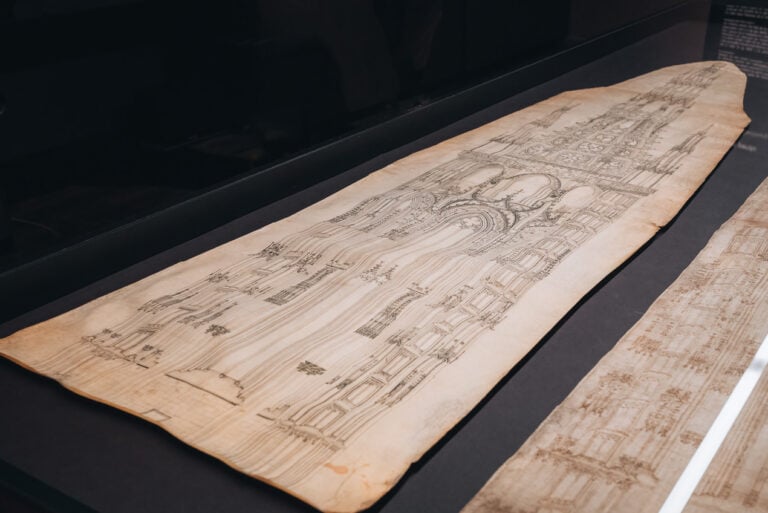
But the main reason I love this museum and why I recommend it to everyone who visits is the original drawings of the Strasbourg Cathedral.
These drawings were done on parchment paper, so they are very sensitive to light and are showcased only on Sundays from 11:00 a.m. to 12:00 p.m.
When I visited, the work of Johannes Hültz was on display.
3. Bibliothèque Nationale et Universitaire de Strasbourg
The Bibliothèque Nationale et Universitaire de Strasbourg (BNUS) is the largest library in Strasbourg and the second largest in France.
And you’re probably wondering why a library is in an article about museums.
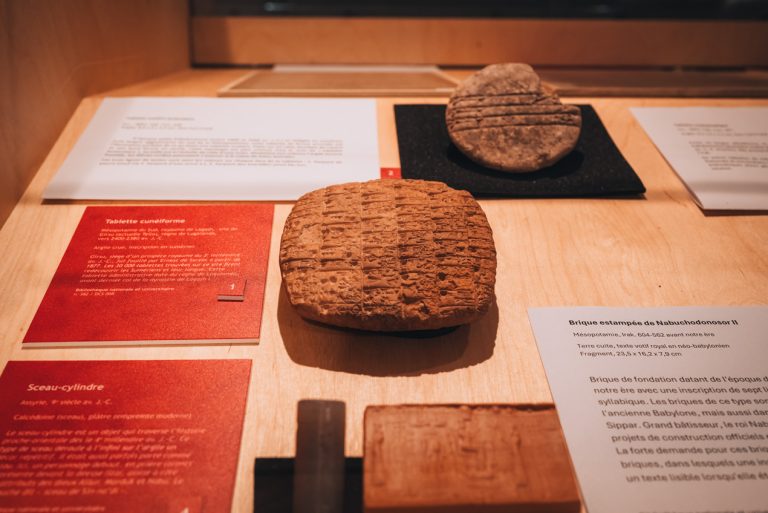
Well, the BNUS is not just an ordinary library – it also houses a vast collection of manuscripts, rare books, and other historical artifacts.
They are housed on the fifth floor in a dedicated museum space.
But it’s only accessible through guided tours.
My favorite tour, so far, was Les Réserves Précieuses (The Precious Reserves).
I got to see some of the oldest written documents to date (as far back as Mesopotamia) and learn about the evolution of the written word.
Helpful Tip: Guided visits are only offered in French, but I still recommend going. The collections they have on display are incredible.
4. Musée Historique de la Ville de Strasbourg

The Musée Historique de la Ville de Strasbourg is Strasbourg’s main history museum.
It tells the history of Strasbourg from the Middle Ages to the creation of the European Institutions.
And, if you’re following my three days in Strasbourg itinerary, this is the one of the activites on the first day.
You can dive into the city’s evolution through its artifacts and maps. There’s even a copy of the first map of Strasbourg (pictured above).
I also enjoyed the World War II exhibits. It’s one of the few museums in town that shows the impact it had on the city.
5. Tomi Ungerer Museum

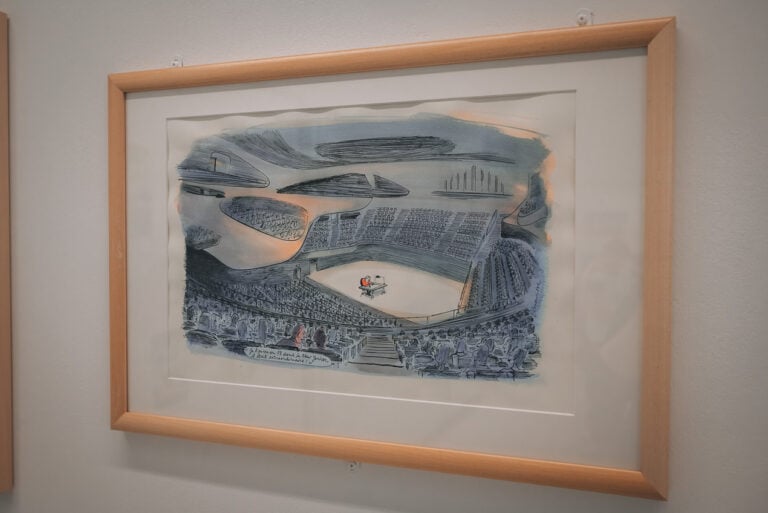
Tomi Ungerer was a Strasbourg-born illustrator and writer, and this museum is dedicated to his life’s work.
Helpful Tip: I put this museum above the other art museums because it focuses on a local artist, something the others don’t do (or at least not as much).
Here, you can take a deep dive into the universe of Ungerer.
The collection includes his children’s books, satirical cartoons, and much more.
The museum also hosts temporary exhibitions.
When I visited, Catherine Meurisse’s work was on display. It was lighthearted, playful, and, as cliché as it might sound, unique.
I loved how it complemented Ungerer’s pieces. Her drawings had a way of connecting humans with nature, even in her imaginary landscapes.
6. Museum of Decorative Arts
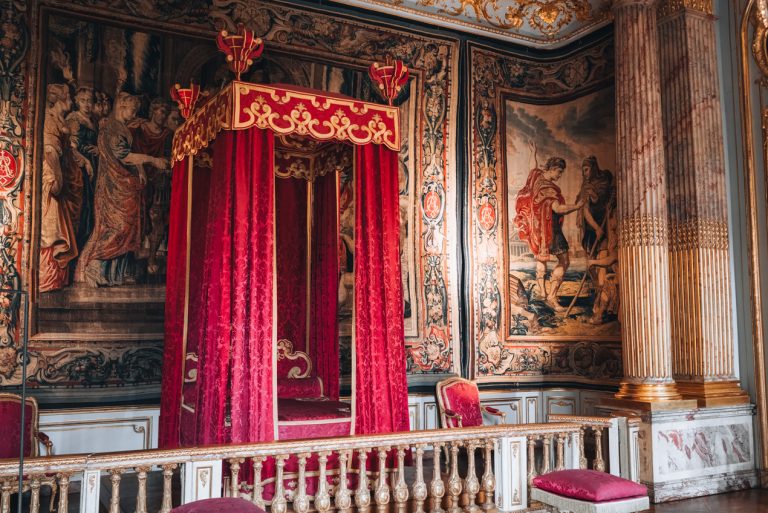
The Museum of Decorative Arts (Musée des Arts Décoratifs) is one of three museums housed in the Palais Rohan.
Of the three, it was my favorite.
The collection includes furniture, ceramics, tapestries, etc., that date as far back as the 17th century.
Exhibits showed entire rooms decorated with period pieces, so I could see firsthand how this type of art evolved.
This museum is also where you’ll find the first editions of Strasbourg’s Astronomical Clock.
Helpful Tip: The Palais Rohan houses the Museum of Decorative Arts, Musée des Beaux-Arts (Museum of Fine Arts), and the Archaeological Museum.
7. Musée des Beaux-Arts
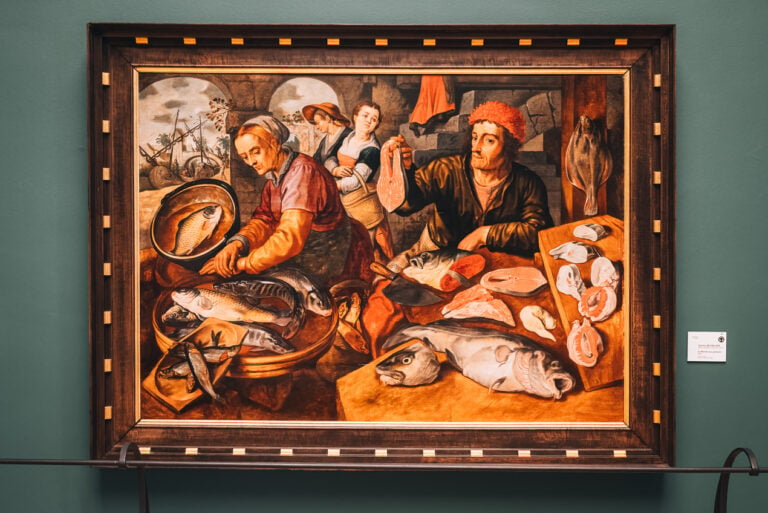
The Musée des Beaux-Arts of Strasbourg (Museum of Fine Arts) is the second museum on this list that’s in the Palais Rohan.
It houses an impressive collection of paintings and sculptures from the Middle Ages to 1871.
You’ll see work from iconic artists such as Botticelli, Rubens, and Renoir.
If you visit the Museum of Modern and Contemporary Art (further down on the list) or the Tomi Ungerer Museum, the Musée des Beaux-Arts is a great addition to your itinerary.
It complements the others and offers a complete story of art in Strasbourg.
Helpful Tip: The Palais Rohan houses the Museum of Decorative Arts, Musée des Beaux-Arts (Museum of Fine Arts), and the Archaeological Museum.
8. Archaeological Museum
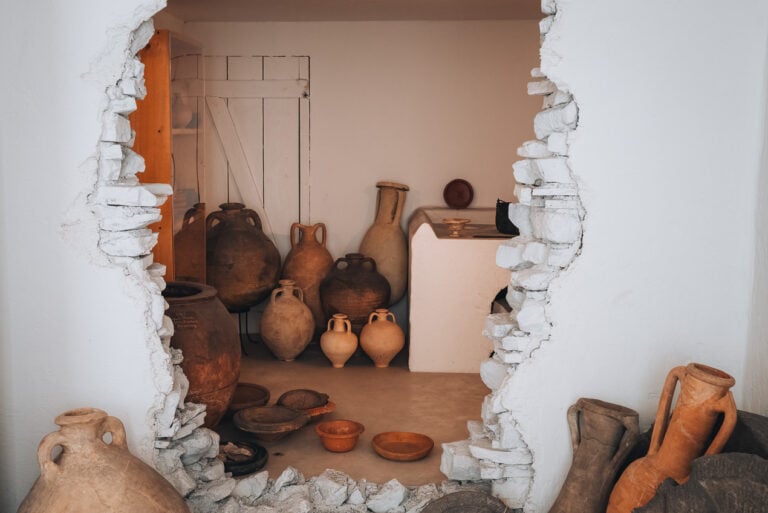
Tucked away on the bottom floor of the Palais Rohan is the Archaeological Museum (Musée Archéologique).
This is one of the oldest museums in France dedicated to archaeology.
It offers a comprehensive chronicle of human history in Alsace from prehistoric times to the beginning of the Middle Ages.
There are tons of artifacts, including Paleolithic tools, Bronze Age pottery, and Roman sculptures. But the most impressive exhibit was the collection of prehistoric rock carvings.
This is one of the oldest known forms of human expression, and I was in awe at how well-preserved these relics were.
Helpful Tip: The Palais Rohan houses the Museum of Decorative Arts, Musée des Beaux-Arts (Museum of Fine Arts), and the Archaeological Museum.
9. Musée d’Art Moderne et Contemporain (MAMCS)

The Strasbourg Museum of Modern and Contemporary Art is focused on artwork from the late 19th century to the present day.
And it’s one of France’s largest collections of contemporary and modern art.
From paintings and sculptures to photography, it’s a place where you can immerse yourself in the world of art. Some of the most esteemed artists include Gustave Doré and Monet.
But I enjoyed the work of Kandinsky and Gilles Aillaud.
The combination of colors and shapes pulled me into the paintings, and I felt engaged with what I was looking at.
10. Château Musée Vodou


The Château Musée Vodou is the most unique museum on this list.
It holds over 1,000 artifacts, including statues, masks, and fetishes related to West African Vodou. It’s actually the largest public collection outside Africa.
Helpful Tip: The photo I took above is of Kenessi, the only active fetish in the museum. It serves to protect the exhibits and the customers.
Among the exhibits, my favorite was the masks from the Gelede ritual.
During significant events, like harvest festivals, these masks are worn by dancers. They embody the power of women and pay homage to females in the community.
There were several on display and ordered in the evolution of the masks. Most were simple wood carvings, but very colorful.
There was also a film of a Gelede ritual at the end, which helped me better understand how these masks were used. I recommend watching the video first (if you’re not familiar with Vodou).
11. European Parliament
From wars to revolutions, Strasbourg’s history is a mixture of turmoil and prosperity.
After World War II, Strasbourg returned to France under the Treaty of Versailles. And it was at this point thatthe city became an emblem of unity and cooperation.
Shortly after, several European institutions, including the European Parliament, were built here.
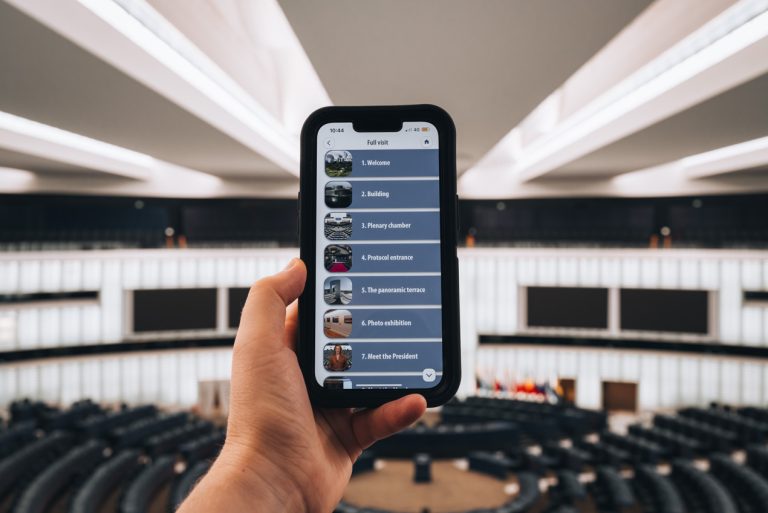
You can tour the Parliamentarium Simone Veil (Visitor’s Center), which is a museum dedicated to the history of the European Union.
It’s done via a self-guided audio tour, but there are lots of interactive exhibits along the way.
Since I was born and raised in the USA, I wanted to know about the history of the European Union, and this was one of the best ways to do it.
Visits are free, and reservations are not required. But remember to bring a valid ID, like a passport, or you won’t be able to enter.
12. Alsatian Museum
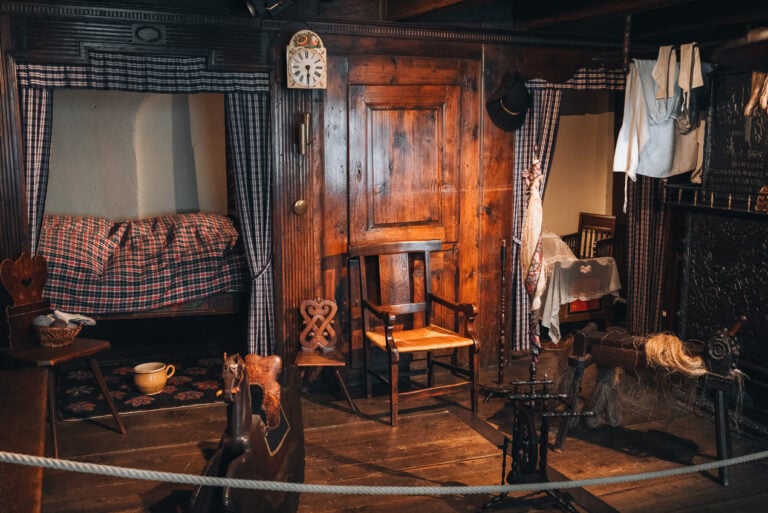
I will start by saying this is my favorite museum, but it’s under renovation until 2027, which is why it’s last on this list.
This museum was first created to keep Alsatian traditions alive.
For centuries, Alsace was at the center of conflict between Germany and France. It was annexed so often that locals began to identify with the region rather than the country it belonged to.
At the end of the Franco-Prussian War, Germany sought to Germanize the city, and significant changes to the architecture and general way of life were realized.
And that’s when this museum was created.
It’s housed in a series of 16th and 17th-century half-timbered houses and shows you what life was like in historical Alsace.
I loved how each room was meticulously designed. I felt like I was in an actual traditional Alsatian house.
I imagine the renovations will have even more exhibits, and I am excited to see what they have planned.
Conclusion
Strasbourg has an impressive range of museums. It’s cliché to say, but there is something for everyone.
If you’re on a short two-day visit, I recommend picking one or two museums.
My favorites for art and history are the Musée de l’Oeuvre Notre-Dame and the Museum of Decorative Arts. Then, for science, I love the Zoological Museum.
But, for rare collections, the Bibliothèque Nationale et Universitaire de Strasbourg is unmatched.
Finally, if you want to visit more than three museums, I recommend the Strasbourg Museum Pass or the Strasbourg City Pass. Both are great ways to cut costs.
Read More Articles
I hope you enjoyed my post. Here are some other articles that I think you might find interesting.
- Where to Stay in Strasbourg: Best Areas and Hotels
- Best Time to Visit Strasbourg, France (Local’s Guide)
- How to Get Around Strasbourg, France (Local’s Guide)
